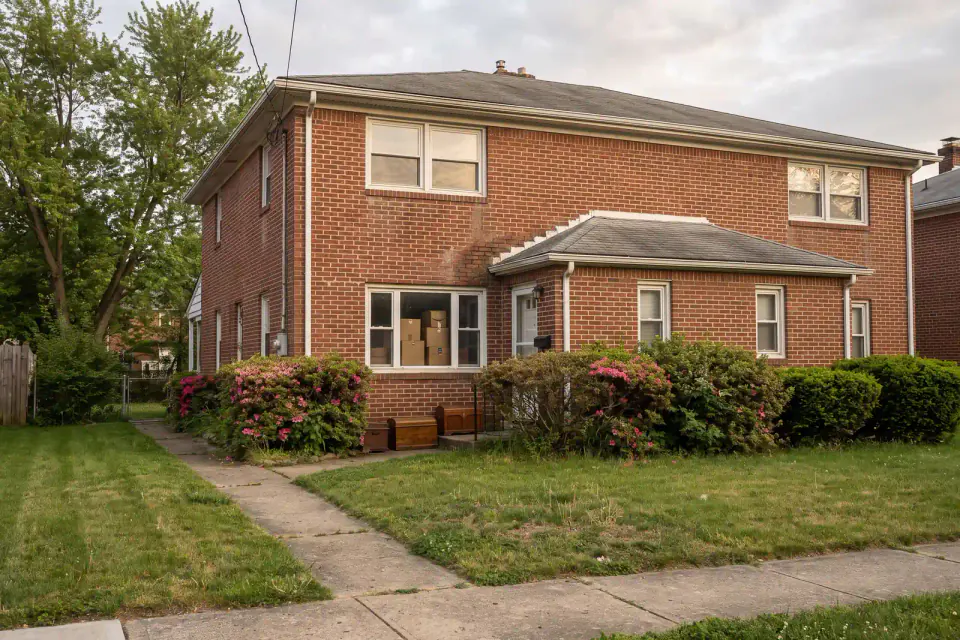
An inherited house can bring grief, family history, bills, and an unfamiliar ownership question into the same conversation. Start with the deed, death certificate, will or trust, and every document showing how the property passed. A beneficiary named in a will isn't automatically the person who can sign a deed today. The signer may be an estate representative, a surviving owner, a trustee, or beneficiaries who already received title. Confirming that distinction before discussing price prevents the family from building a plan around the wrong decision-maker.
The financial file also deserves care before anyone treats the expected sale proceeds as spendable. IRS Publication 559 says inherited-property basis is generally tied to fair market value at death, subject to exceptions. Pennsylvania separately imposes inheritance tax at rates that vary by the beneficiary's relationship to the person who died. New Jersey's real-property reporting guidance distinguishes an estate sale from a later sale by beneficiaries, and Delaware law directs property not disposed of by a will through its intestacy rules. Those are different systems, so use an estate lawyer and tax professional for advice about the actual family and address.