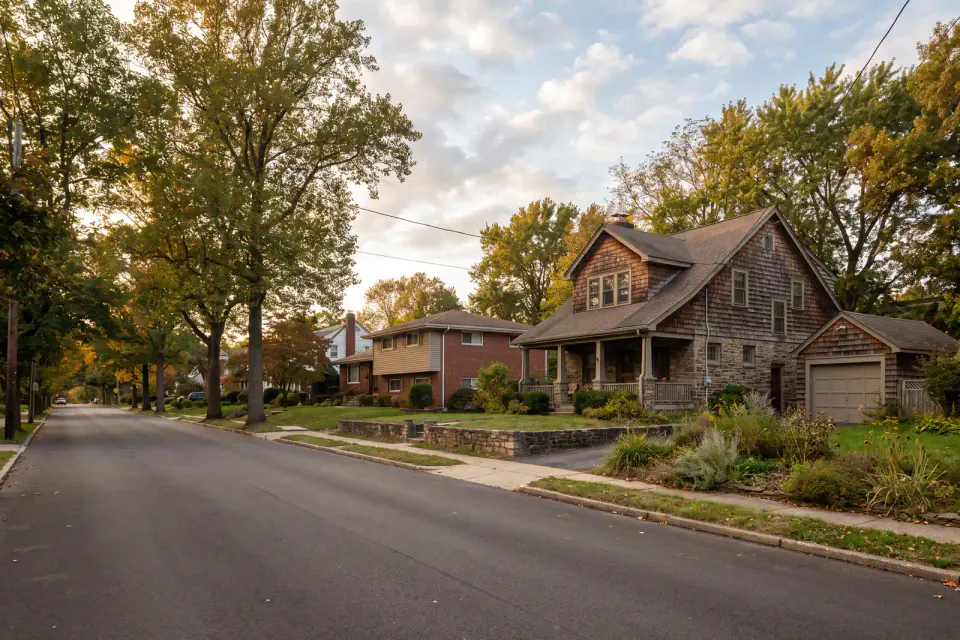
Montgomery County's $485,000 median and roughly 21-day market time reflect brisk demand, but the county's housing rarely fits one model. Early-1900s Main Line houses carry different upkeep than mid-century subdivisions in Abington or Lansdale, and comparisons around Norristown or Pottstown must be drawn locally. A higher county median can overstate a property's as-is value when systems are dated. It can also understate the benefit of a well-kept location, so nearby sold evidence matters more than a broad average.
Estate and probate sales are a recurring county situation, and the ownership work can be as important as the renovation list. Historic properties may need continuing exterior and mechanical upkeep; suburban houses can bring original electrical, plumbing, roof, or HVAC components into the calculation. Kaizen reviews the property's layout, condition, occupancy, access, comparable sales, and expected holding costs. The resulting offer is below retail value, with the tradeoff stated plainly: no seller repairs, no retail staging, and no obligation to accept.
Pennsylvania applies a 1 percent state realty transfer tax to taxable deeds, with an additional local levy possible in Montgomery County municipalities. Grantor and grantee share legal liability under state rules unless their contract assigns payment between them. Before funding, the title company confirms the taxing jurisdiction, authorized sellers, mortgage figures, and recorded liens. That review is especially important for an inherited property, because a cash buyer can accept dated condition but still needs valid authority and recordable title.