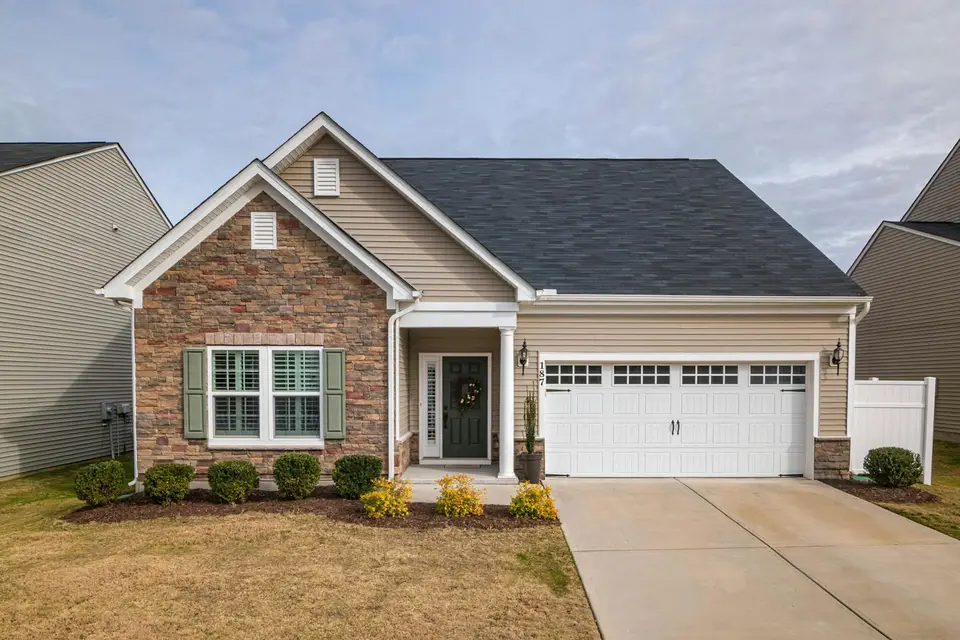
Homes purchased for cash by Kaizen Home Buyers
Vacant Property

Vacant Property Draining Your Wallet? Sell It Fast.

Sitting on a vacant property? Stop paying for a home you're not using.

Request a cash offer for your vacant property property

Get Your Free Cash Offer

No obligation. We respond within 24 hours.

Your info is private & secure. No spam, ever.
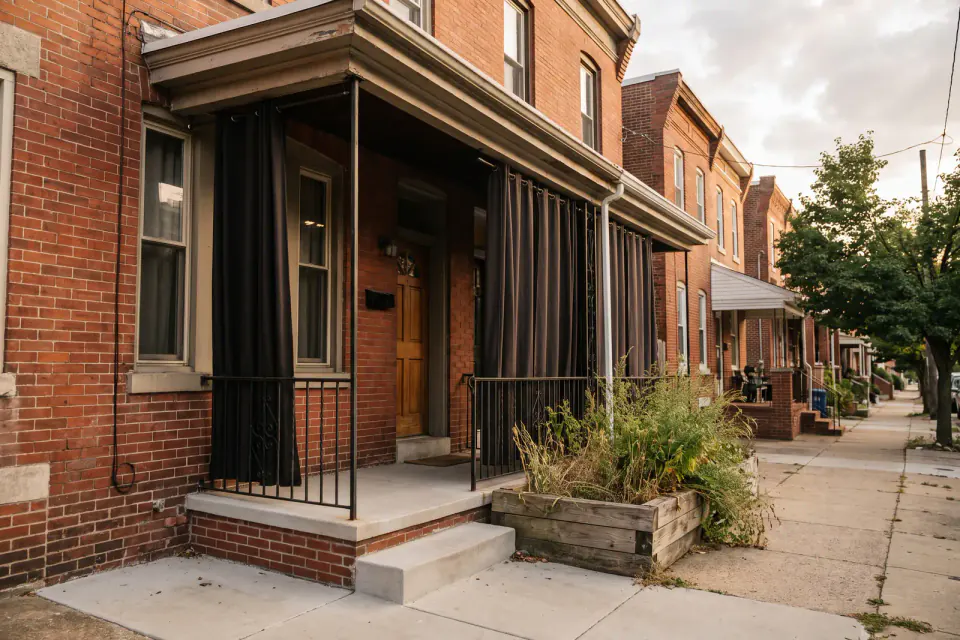
Secured vacant rowhouse on a quiet Philadelphia block

Start with the facts, not the pressure

A vacant house still creates decisions every week. Someone needs to control access, notice leaks, handle mail, keep utilities at the level the property requires, and respond if a municipality sends a notice. The first selling question isn't how long the house has been empty. It is whether the current owner can safely provide access and deliver clear title. We start there, then review condition without asking you to make the property look occupied or stage empty rooms for a retail launch.

Local rules can add a separate maintenance or licensing track. Philadelphia's L&I guidance says a vacant residential building may need a Vacant Residential Property License and describes duties for rubbish, openings, roof drainage, and securing the structure from trespass. That rule is a Philadelphia example, not a statement about every town in Pennsylvania, New Jersey, or Delaware. Check the municipality where the house sits. An as-is sale can transfer future repair responsibility after closing, but it doesn't make an existing notice, bill, or lien disappear from the settlement file.

The Problem

A vacant property is a money pit — taxes, insurance, maintenance, security concerns, and potential vandalism. Every month it sits empty, you're losing money.

How Kaizen Helps

We buy vacant properties in any condition. No need to fix it up, no need to stage it, no need to worry about squatters. Get cash and stop the bleeding.

Sell in 3 Simple Steps

1

Tell Us About Your Property

Fill out our quick form or give us a call. It takes less than 2 minutes.

2

Get Your Cash Offer

We'll research your property and make a fair, no-obligation cash offer within 24 hours.

3

Close on Your Timeline

Pick your closing date — typically 14-30 days. We handle all paperwork and closing costs.

A practical process for vacant property

1

Confirm control, access, and immediate hazards

Tell us who owns the property, who has keys, and whether anyone else may enter. Don't go inside if fire, structural, electrical, or environmental conditions make entry unsafe. If access is safe, identify active utilities, winterization, water shutoffs, alarms, and any contractor or municipal lockbox. These details let us plan a limited walkthrough without creating new damage or leaving the building unsecured. An estate, trust, company, or multiple owners may also require documents before a contract can be accepted.

2

Review the empty property as-is

An empty room can expose condition that furniture once hid, but it can also leave questions about systems that aren't running. We inspect what is reasonably visible and ask about known roof leaks, plumbing breaks, water intrusion, vandalism, old mechanicals, and unfinished work. We don't require the owner to furnish, decorate, or complete cosmetic work. The offer includes the cost and uncertainty of repairs we expect to handle after closing, so share inspection reports, estimates, and violation notices you already have.

3

Clear title and municipal items

Once terms are accepted, the settlement company checks ownership, mortgages, taxes, judgments, and recorded liens. Open code matters and local charges may need a specific plan depending on the municipality and contract. In Philadelphia, an owner can use L&I's property history and violation process to identify active items. A cash contract may avoid a lender's repair conditions, but it doesn't bypass a government order or the title company's obligation to account for valid claims against the property.

4

Set the vacant-property handoff

Before closing, agree on keys, alarm codes, remaining contents, utility changes, and who may enter during the settlement period. Keep the building secured until the deed records and the title company confirms funding. If debris, old furniture, or materials will remain, list that understanding in writing instead of relying on a walkthrough conversation. The closing statement should show payoffs and the seller's net, while the contract should state the condition and possession the buyer accepts.

Your options compared

For vacant property, the right route depends on time, condition, authority, and the net result you can actually close.

RouteWhen it fitsPreparation and timingMain tradeoff
List with an agentStrongest when the vacant home is secure, insurable, easy to show, and in a condition that can attract a financed retail buyer.You may need utilities on, regular property checks, cleaning, lawn care, repairs, and access for showings, inspection, appraisal, and final walkthrough.A larger possible retail price comes with continued carrying costs and the chance that inspection or financing changes the contract.
Sell it yourselfReasonable for an owner who can monitor the building, verify buyers, schedule entry, and coordinate sale documents without an agent.Security, inquiries, pricing, disclosures, access logs, and vendor appointments remain with you while the house is empty.You control the process, but buyer funding and performance still determine whether an accepted deal reaches closing.
Direct cash salePractical when distance, damage, violations, or repeated carrying costs make another open-ended marketing period difficult.No staging is required. We inspect the current condition and can discuss in writing which contents stay.The price reflects repairs and risk, while the agreed closing window remains subject to title and municipal resolution.

Vacant Property questions

Will Kaizen buy a house that has been vacant for years?

We will review it if lawful, safe access is available. Time vacant is only one input. Roof, water, structure, utilities, contents, title, and local notices matter more to the offer. If entry isn't safe, tell us before anyone schedules a walkthrough so the next step can be planned responsibly.

Do I need a vacant-property license before selling?

Requirements depend on the exact municipality. Philadelphia L&I identifies a Vacant Residential Property License for qualifying unoccupied residential property, but another town may use different registration or maintenance rules. Check the local code office and share any existing notices with the settlement company and buyer.

Can I leave furniture or debris in the vacant house?

Furniture or ordinary debris can often remain if the accepted contract clearly identifies it. We need to see enough of the property to estimate removal and repairs. Keep documents, medication, valuables, and items you intend to save apart from the agreed contents before possession changes.

What happens to open violations or unpaid bills?

The answer depends on the issuing agency and whether an amount became a lien. The title company searches recorded claims and prepares the settlement statement. Municipal items may need payment, escrow, correction, or another approved arrangement. Selling as-is addresses physical work; it doesn't automatically cancel government charges.

How fast can a vacant-property cash sale close?

Kaizen's common target is 14 to 30 days after contract, but vacant houses can have ownership, access, payoff, or municipal issues that extend the file. We review those constraints early and set a date the settlement path can support. A safe, accurate close matters more than an unsupported seven-day claim.

Ready to Sell Your House? → Get My Free Offer Today.

No obligation. No fees. Just a fair offer from a local buyer.

→ Get My Free Offer