South Philadelphia
South Philadelphia is named in the city record as part of the rowhome landscape. For a property there, we verify the individual structure and access rather than treating the neighborhood name as a repair estimate.
We buy Philadelphia rowhomes in every neighborhood and every condition — inherited, vacant, code-flagged, or behind on taxes. No repairs, no agent fees, cash in your hand.
No obligation. We respond within 24 hours.
Philadelphia's city record describes long runs of pre-1940 brick rowhomes from South Philadelphia through the Northeast. That attached housing pattern makes the condition of roofs, masonry, shared walls, utilities, and interiors more important than a broad city label. We price the actual property and the work visible there instead of assuming that two rowhouses on nearby blocks need the same repairs.
The local issue list calls out inherited homes with tangled title, L&I violations or open permits, and unpaid taxes or water balances. Each item affects a different part of a sale, so an owner should gather the deed, estate papers, violation notices, permit records, and recent account statements that apply. Those documents help the settlement professional separate a property condition problem from an ownership or payoff problem.
A direct offer can remove retail preparation from the owner's workload, but it does not erase recorded claims or decide who may sign. Kaizen's process allows an as-is review and bases the offer on comparable sales, present condition, and expected work. The title and closing file still has to identify the proper grantor and the amounts that must be addressed at settlement.
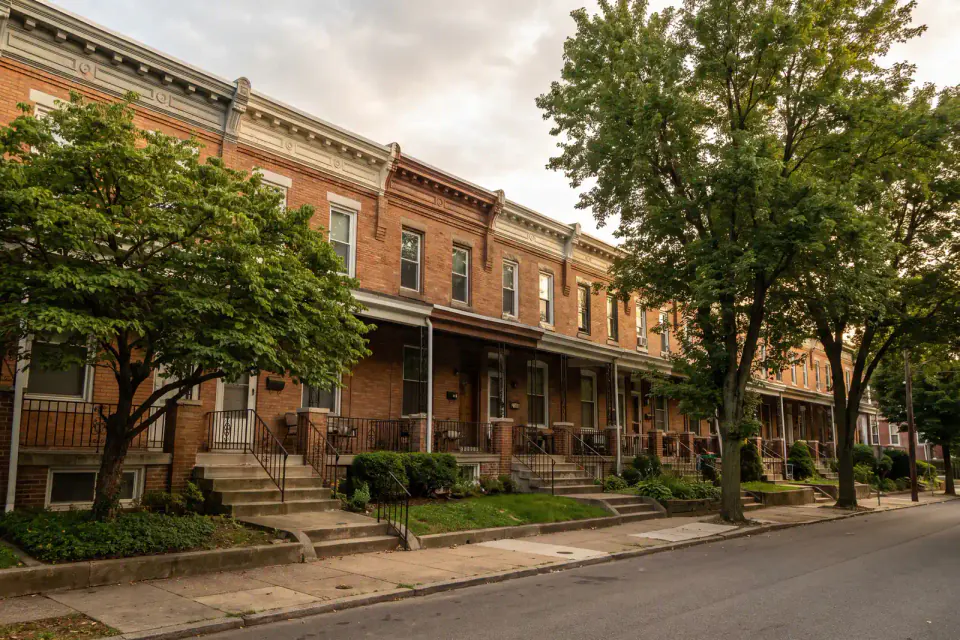
Philadelphia is block after block of pre-1940 brick rowhomes, from South Philly to the Northeast. We buy these homes in any condition — you don’t repair, clean, or stage a thing, and there are no agent commissions or closing fees.
Including these areas and everywhere nearby:
South Philadelphia is named in the city record as part of the rowhome landscape. For a property there, we verify the individual structure and access rather than treating the neighborhood name as a repair estimate.
The Northeast marks the other end of the housing range identified in Philadelphia's data. A walkthrough confirms how closely a particular house matches the citywide brick-rowhome description and what work the offer must absorb.
West Philadelphia appears among the service areas attached to this page. Sellers can describe occupancy, stored belongings, open notices, and known repairs before access so the review starts with the property's real constraints.
Kensington is included in Philadelphia's neighborhood list. If title, L&I, or delinquent-account questions exist at that address, those files should be organized separately because each follows its own resolution path.
Germantown completes the page's named local coverage. The offer depends on the house presented, while the deed and recorded-claim review determines what must happen for a transferable closing.
Philadelphia's listed concerns mix physical work with title, permit, and account issues. Build two checklists before comparing offers: one for the house itself and another for documents, signers, violations, taxes, and water balances. That split makes the estimated net easier to understand.
Pennsylvania imposes a state realty transfer tax and allows additional local realty transfer tax. The Department of Revenue says grantor and grantee are jointly liable to the Commonwealth, even though a contract can allocate costs between the parties. A Philadelphia seller should review that allocation on the written offer and settlement statement.
A verbal balance is not a final payoff. Pennsylvania explains that deeds are county records, while state and municipal claims can appear in public records or attach to property. Let the settlement professional obtain current figures and recording instructions before treating projected proceeds as final.
Fill out our quick form or give us a call. It takes less than 2 minutes.
We'll research your property and make a fair, no-obligation cash offer within 24 hours.
Pick your closing date — typically 14-30 days. We handle all paperwork and closing costs.
Kaizen reviews houses as-is, including properties that need work. Disclose every notice, permit document, and access restriction you have so the physical condition and the open administrative items are not confused. The contract cannot cancel an L&I action by itself.
The offer starts with comparable sales and the home's current condition, then accounts for expected repairs, holding costs, and resale risk. Philadelphia's rowhome pattern informs the review, but the address-specific walkthrough and available records control the final estimate.
Collect the latest deed and the estate or ownership papers before signing a purchase contract. Kaizen can discuss the property, but the settlement professional or estate counsel must confirm who has authority to convey it. A family agreement alone may not answer the recorded-title question.
They can affect the payoff and available proceeds, but the exact result depends on the recorded claim and current account. Pennsylvania law treats qualifying municipal taxes and claims as property liens. Ask the settlement team to verify amounts and required satisfaction steps for this address.
Kaizen's current process does not require a full cleanout for an as-is review. Identify personal records, valuables, medication, and anything that must leave, then state in the contract what may remain. Clear access to important areas still improves the condition estimate.
No obligation. No fees. Just a fair offer from a local buyer.