Cramer Hill
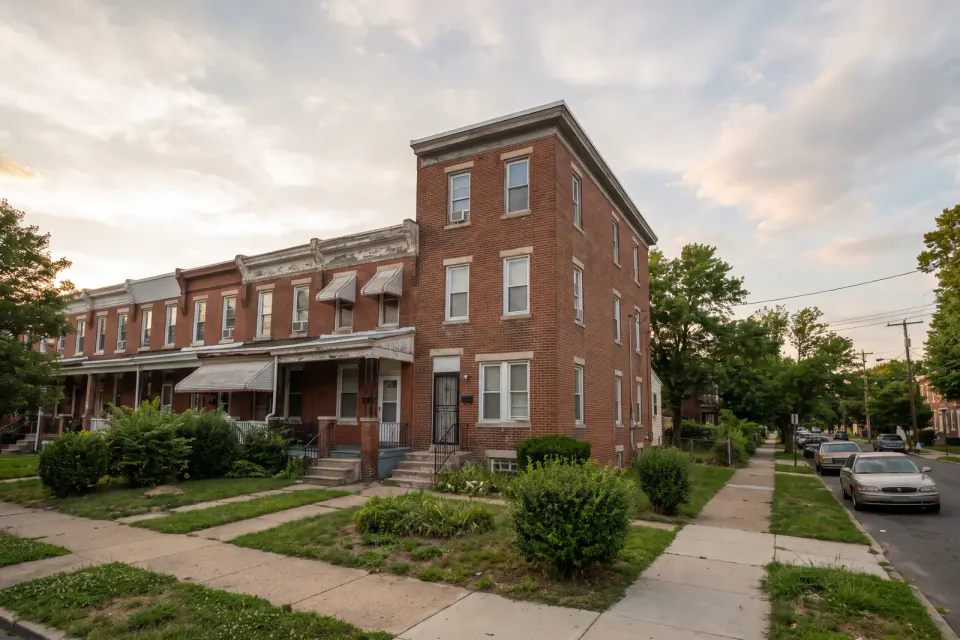
Cramer Hill is one of four Camden areas named in the source. A seller there should explain whether the rowhouse or multifamily is occupied, secured, accessible, and carrying known repairs before Kaizen selects comparable evidence.
We specialize in the homes Camden buyers avoid — vacant, distressed, tax-burdened, or tenant-occupied. Cash close, as-is, no realtor fees.
No obligation. We respond within 24 hours.
Camden's city record describes an older Delaware River community of rowhouses and small multifamily buildings, with much of the housing characterized as rehab-grade. Vacant or distressed condition can limit access and conventional financing, yet those are property-specific facts. Kaizen's direct review uses the structure that can be inspected, comparable sales, and expected work instead of treating every Camden block as equally impaired.
Back taxes, liens, vacancy, and tired-landlord situations are also prominent in Camden's canonical data. A damaged building changes the repair estimate; an occupant changes the handoff; a delinquent account changes the closing file. Owners can make the evaluation clearer by separating condition photographs, rental documents, security and access notes, deed records, and tax correspondence before comparing terms.
Kaizen can consider a Camden property in its present state without asking the seller to complete a retail rehabilitation first. The offer remains optional and should identify the physical and occupancy assumptions being priced. New Jersey deed records, tax-sale status, signers, and payoff requirements still need professional verification at closing because an as-is clause addresses the parties' condition agreement, not public records.
Camden is an older Delaware River city of rowhouses and small multifamily, much of it rehab-grade. We buy these homes in any condition — you don’t repair, clean, or stage a thing, and there are no agent commissions or closing fees.
Including these areas and everywhere nearby:
Cramer Hill is one of four Camden areas named in the source. A seller there should explain whether the rowhouse or multifamily is occupied, secured, accessible, and carrying known repairs before Kaizen selects comparable evidence.
Fairview belongs to the page's canonical coverage without a claim that every property is rehab-grade. The address-level review should distinguish observed damage from unseen risk and record which utilities or rooms could not be checked.
Parkside provides another precise location within Camden. Maintenance history, building type, existing occupants, stored contents, and available access give that location practical meaning for an as-is offer.
East Camden completes the city record's neighborhood list. Kaizen should base any local estimate on the actual property's visible condition and transaction constraints rather than transfer conclusions from a different Camden area.
For a vacant or distressed Camden property, state how entry is secured, which utilities operate, what areas are unsafe or blocked, and which contents will remain. An occupied multifamily also needs leases, deposits, notices, and lawful access information. Kaizen can price disclosed condition and uncertainty, while specialized safety or tenant-law questions should go to appropriate professionals.
New Jersey's Division of Taxation says the grantor generally pays the Realty Transfer Fee and that the consideration stated for the deed drives the calculation. A Camden seller should review the applicable fee on the proposed settlement statement. A generic percentage or online estimate may not reflect the final transaction facts.
New Jersey's tax-sale guidance explains that property taxes remain a continuous lien and a municipal sale transfers a certificate rather than the real estate itself. County offices maintain deed and mortgage records. For a Camden closing, the title professional should verify ownership, certificate status, redemption or payoff instructions, and recording requirements before net proceeds are projected.
Fill out our quick form or give us a call. It takes less than 2 minutes.
We'll research your property and make a fair, no-obligation cash offer within 24 hours.
Pick your closing date — typically 14-30 days. We handle all paperwork and closing costs.
A secured vacant property can be evaluated as-is. Explain entry, utilities, vandalism, stored contents, and inaccessible or unsafe areas, then share available photographs and repair records. Kaizen can reflect limited inspection in its offer without requiring the seller to restore the building first.
Kaizen considers comparable sales suited to the building type, the accessible condition, anticipated rehabilitation, and the disclosed occupancy. The city's rehab-grade profile sets context but does not dictate one deduction. Lease terms and the agreed handoff further shape the property being purchased.
Collect the recorded deed, security and access information, utility status, repair documents, and any correspondence tied to ownership. New Jersey county records help the title company confirm the grantor. A buyer's inspection cannot replace that documentary ownership review.
New Jersey's published guide distinguishes a tax-sale certificate from ownership of the real estate. The exact certificate, redemption, deed, and payoff status must be checked for the parcel. The closing professional should use current records rather than a seller or buyer assumption.
Kaizen's current process can accept contents left by the seller when the agreement identifies them. Remove personal documents, medicine, valuables, and belongings owned by tenants or others. Provide safe access where possible so the buyer understands the property before committing.
No obligation. No fees. Just a fair offer from a local buyer.