Downtown Chester
Downtown Chester is part of the service coverage stored for this city. For a rowhouse or multifamily property there, unit count, occupancy, and actual access should be confirmed before repair and holding costs are estimated.
In the City of Chester we buy the homes traditional buyers walk away from — vacant, distressed, or tax-burdened. Cash close, no repairs, no realtor commissions.
No obligation. We respond within 24 hours.
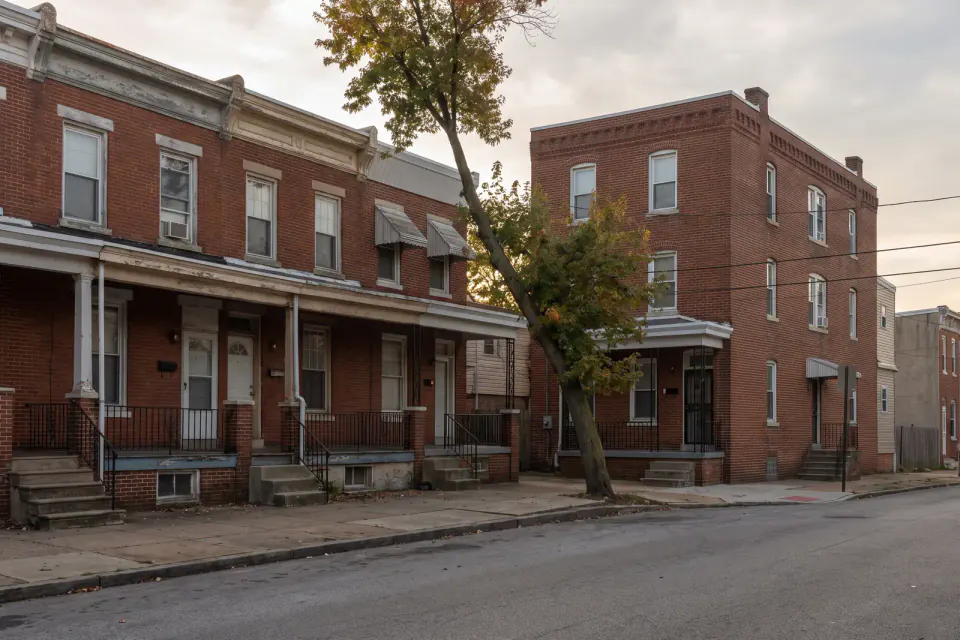
Chester's city profile describes an older Delaware River industrial community with rowhouses and small multifamily buildings. That mix means an owner should describe the number of units, occupancy, utility arrangement, safe access, and visible condition before expecting a useful offer. The review should follow the property that exists, not a simplified idea of a typical Chester house.
Vacancy, difficult financing, and delinquent taxes are the three concerns identified in the local record. A cash purchase can remove buyer-lender underwriting from the transaction, yet it cannot make an unsafe building accessible or remove a public claim automatically. Owners should keep condition information, tax correspondence, and any occupancy records available for the professionals handling each part.
Chester property decisions are easier to compare when gross price, required work, carrying time, and recorded obligations are listed separately. Kaizen's model prices repairs and resale risk into an as-is offer. A settlement provider then checks the deed and payoff file so the seller sees an estimated net rather than mistaking the contract price for cash available after closing.
Chester is an older Delaware River industrial city with rowhouses and small multifamily. We buy these homes in any condition — you don’t repair, clean, or stage a thing, and there are no agent commissions or closing fees.
Including these areas and everywhere nearby:
Downtown Chester is part of the service coverage stored for this city. For a rowhouse or multifamily property there, unit count, occupancy, and actual access should be confirmed before repair and holding costs are estimated.
Sun Village sellers can begin by separating visible building work from tax or title correspondence. That division prevents a physical-condition estimate from being treated as an answer to a recorded-claim question.
Buckman Village is the third local area named in Chester's data. The property itself determines the as-is scope, and county records determine the deed information used for closing.
A vacant Chester property may have limited utilities, secured rooms, debris, or areas that should not be entered. Tell the buyer what access is allowed and provide authorized photos or reports when a space cannot be viewed. A responsible offer should price uncertainty without asking anyone to ignore a safety restriction.
Pennsylvania's Municipal Claim and Tax Lien Law provides that qualifying municipal claims and taxes become liens on property. A seller should request current account information and let the closing professional determine which claim, fee, or satisfaction document applies. Chester's back-tax concern calls for exact records, not a rounded guess.
Pennsylvania realty transfer tax is collected when covered real estate is transferred, and local tax may be added. The state treats both sides as liable even when their agreement assigns payment. Compare Chester offers using the same written tax and closing-cost assumptions so a higher headline price is not mistaken for a better net.
Fill out our quick form or give us a call. It takes less than 2 minutes.
We'll research your property and make a fair, no-obligation cash offer within 24 hours.
Pick your closing date — typically 14-30 days. We handle all paperwork and closing costs.
Kaizen buys houses in as-is condition and can begin with the safe access available. Explain boarded openings, missing utilities, stored contents, and any area that should remain closed. If interior entry is restricted, exterior details and authorized records can support an initial discussion.
Cash removes the direct buyer's mortgage approval from the process, which can matter for a house that financed buyers avoid. It does not remove title defects, municipal claims, unsafe access, or the need for a recordable deed. Those items still require a workable closing plan.
The buyer considers the current building, expected work, holding costs, and resale risk alongside comparable sales. Unit configuration and occupancy should be stated accurately for small multifamily property. The result is an investment offer, not a promise of retail value.
A closing may be able to address verified tax claims from the sale proceeds, but the responsible office and settlement professional must supply the actual amount and instructions. Fees can accumulate on delinquent public claims under Pennsylvania law. Obtain a current figure before deciding what remains for the seller.
The settlement professional reviews the recorded deed and related title material for the proposed transaction. Pennsylvania's State Library notes that deeds identify the parties, recording information, property description, and transaction terms. An owner should correct name or authority questions before the scheduled signing.
No obligation. No fees. Just a fair offer from a local buyer.