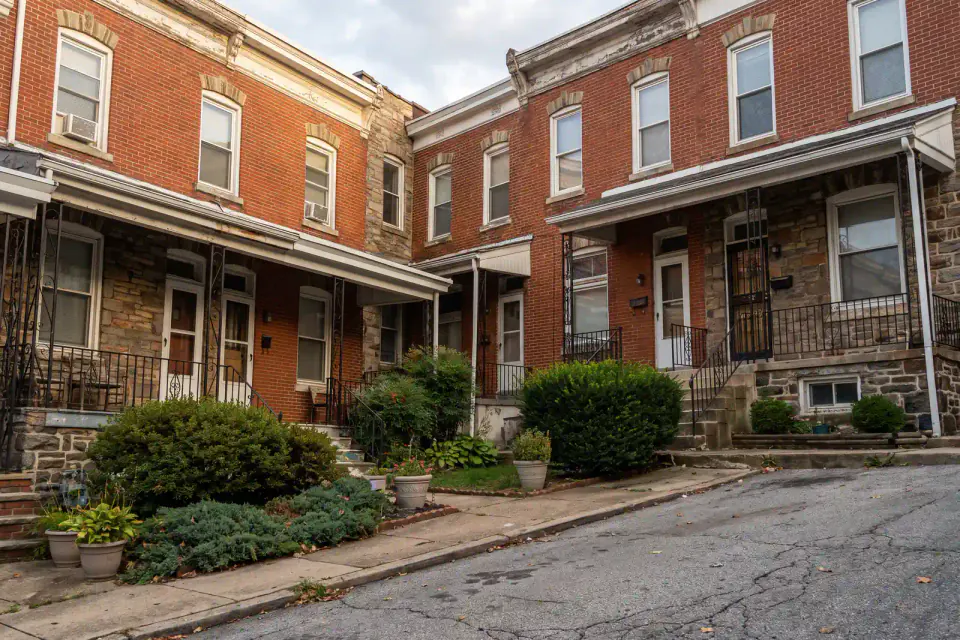
Conshohocken's city record describes a fast-changing riverfront borough where tight older rowhomes climb steep streets. Small lots and attached construction make the subject property's access, exterior, interior, utilities, and visible maintenance more useful than a broad borough assumption. Kaizen reviews the house that is presented and builds its offer from relevant sales, current condition, and the work it expects to take on.
Inherited homes, tired rentals, and relocation are the recurring Conshohocken situations in the source data. Each creates a different file: estate and deed papers for an inheritance, leases and maintenance records for a rental, or a workable handoff schedule for a move. Separating those facts keeps a title question or occupancy obligation from being mistaken for a repair item.
An as-is sale can spare a Conshohocken owner from renovating solely for retail presentation, but it does not remove the normal closing review. The current Kaizen process allows unwanted contents to remain by agreement and lets the seller discuss timing. Ownership, recorded claims, and final payoff figures still need to support the deed and settlement statement before proceeds are treated as certain.