Downtown Seaford
Downtown Seaford is one of the city's named service areas. For an aging house there, observed maintenance and actual documents should define the sale condition rather than assumptions drawn from the town's industrial history.
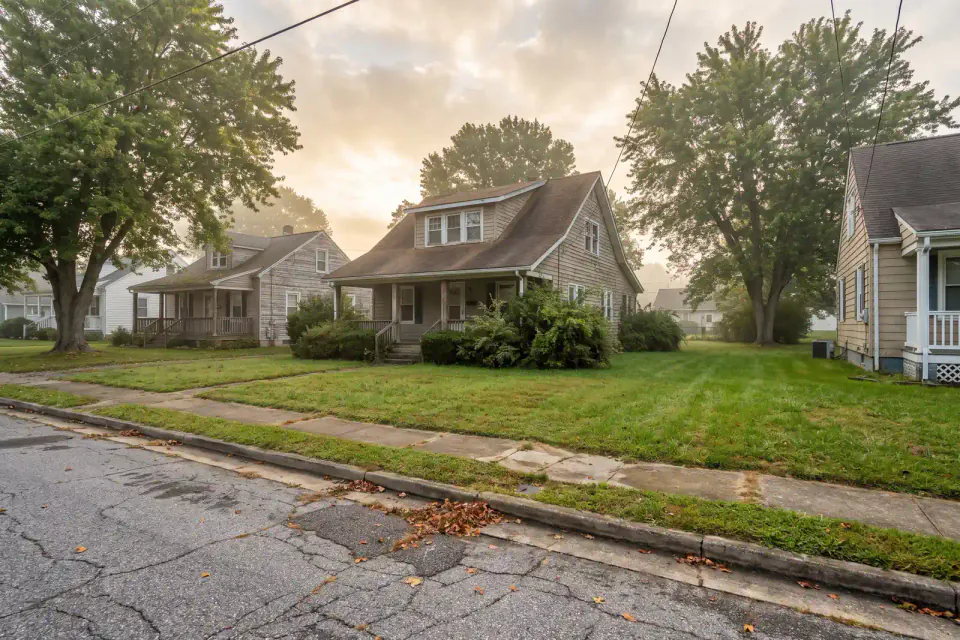
Seaford's inland market moves slowly. Rather than wait months for a buyer, our cash offer closes your home fast — as-is, no repairs, no commissions.
No obligation. We respond within 24 hours.
Seaford is described in the city dataset as a former nylon-industry town with affordable inland homes along the Nanticoke. That history and river setting provide character without proving a property's age, price, or exposure. A seller should anchor the decision in the particular house's condition, occupancy, records, and likely timeline rather than extend the townwide description into unsupported parcel claims.
A slower inland market, aging homes, and inherited properties are Seaford's listed concerns. The slower-market point argues for comparing time as well as price, but the source supplies no fixed marketing period. Owners can model ongoing taxes, utilities, insurance, maintenance, travel, and preparation for their own expected timeline, then compare that result with a direct offer's terms.
Inheritance, vacancy, and landlord fatigue are the top situations attached to Seaford. These may combine when heirs receive an empty former rental. The useful first steps are confirming sale authority, collecting tenancy and property records, stabilizing access, and asking the settlement provider to review the deed, public liens, payoffs, and transfer-tax treatment before estimating distributable proceeds.
Seaford is a former nylon-industry town of affordable inland homes along the Nanticoke. We buy these homes in any condition — you don’t repair, clean, or stage a thing, and there are no agent commissions or closing fees.
Including these areas and everywhere nearby:
Downtown Seaford is one of the city's named service areas. For an aging house there, observed maintenance and actual documents should define the sale condition rather than assumptions drawn from the town's industrial history.
Blades is included in Seaford's local coverage. Sellers should provide the complete address and recorded information so the closing provider, not the marketing label, confirms jurisdiction, ownership, and the instruments needed for transfer.
Riverside completes the neighborhood list. Its name and the Nanticoke setting do not establish a flood conclusion for an address; any water-related concern should be supported by the property's own reliable records and condition evidence.
Seaford's source identifies a slower inland market but gives no guaranteed number of days. Build low, middle, and high time scenarios using the home's planned preparation, likely access needs, and ongoing monthly expenses. Compare each estimated net with the dates and contingencies stated in a direct proposal.
When an inherited Seaford property was rented, collect estate authority and deed papers separately from leases, deposits, notices, and maintenance files. The settlement or estate professional confirms who can sell, while appropriate local advice addresses tenancy. Neither question should be answered solely by the person making an offer.
Delaware's statutes address recorded instruments, public-property liens, and realty transfer tax. The settlement provider should apply those rules to the Seaford parcel, obtain current loan and lien figures, and show contract charges. Heirs should divide only the net established by the completed closing process, not the initial offer price.
Fill out our quick form or give us a call. It takes less than 2 minutes.
We'll research your property and make a fair, no-obligation cash offer within 24 hours.
Pick your closing date — typically 14-30 days. We handle all paperwork and closing costs.
It should not. It is one local consideration, not a command or a guaranteed forecast. Compare a realistic listing plan with the direct offer using expected preparation, carrying time, seller work, contingencies, and net proceeds. The best route depends on the specific property and the owner's priorities.
A direct buyer can inspect and price existing condition before repairs are completed. Give accurate access and disclose known issues. Make sure the contract identifies accepted condition, cleanup, contents, and any excluded items so the handoff does not depend on a vague understanding of as-is.
Confirm estate authority while maintaining security, appropriate utilities, insurance attention, and regular checks. Inventory records and personal items before granting access. The sale process may reduce future carrying work, but ownership responsibilities continue until the agreed transfer and possession have actually occurred.
A potential buyer may consider the actual occupancy, but written leases, deposits, notices, access rights, and intended closing condition must be disclosed. Obtain Delaware-specific legal advice before changing tenancy. The city data establishes tired landlords as an audience, not the legal outcome for any lease.
Ask the settlement provider to verify the grantor, search recorded instruments and applicable public liens, obtain current payoffs, and calculate transaction-specific transfer tax. Review those figures and the contract's cost allocation on a draft statement before treating proceeds as available for an estate or move.
No obligation. No fees. Just a fair offer from a local buyer.