Downtown Vineland
Downtown Vineland is the first area in the canonical list. A home there should be reviewed according to its actual detached form, lot, occupancy, systems, contents, and repair history instead of the broader rural-edge description.
In Vineland's slower market a home can sit for months. We give you a guaranteed cash exit instead of an open-ended listing — as-is, no repairs.
No obligation. We respond within 24 hours.
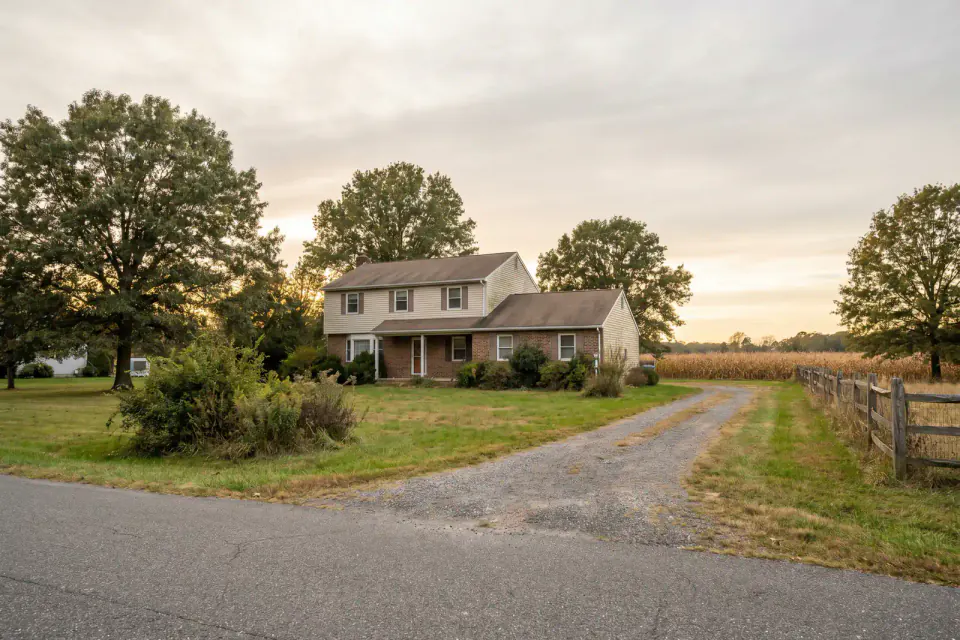
Vineland's city record describes a large, spread-out South Jersey community of modest homes and farmland edges. Distance, lot size, and detached construction can make access, exterior condition, utilities, outbuildings, and stored contents more relevant than a compact urban comparison. Kaizen should evaluate the complete property presented and select sales suited to that form before estimating work.
The canonical issues include a slower market with longer marketing time, aging houses, inherited rural-edge properties, vacancy, and tired-landlord ownership. A slower city profile does not predict how long one house will take to sell. It does explain why an owner may compare the open-ended exposure of a listing with the price, conditions, and selected schedule offered by a direct buyer.
Kaizen can inspect a Vineland home in its current condition and prepare an optional offer using comparable sales and anticipated repairs. An estate can organize authority while the building review proceeds, and a vacant owner can disclose security or access limits. New Jersey deed and tax records still determine the grantor and verified closing obligations for the parcel.
Vineland is a large, spread-out South Jersey city of modest homes and farmland edges. We buy these homes in any condition — you don’t repair, clean, or stage a thing, and there are no agent commissions or closing fees.
Including these areas and everywhere nearby:
Downtown Vineland is the first area in the canonical list. A home there should be reviewed according to its actual detached form, lot, occupancy, systems, contents, and repair history instead of the broader rural-edge description.
East Vineland gives the source coverage a second geographic reference. Longer driveways, exterior areas, or additional structures should enter an offer only when they exist at the address and can be documented.
North Vineland completes the named service areas. Sellers can prepare utility information, access instructions, known maintenance, occupancy, and estate records so the buyer evaluates a defined handoff rather than a generic aging home.
A Vineland owner considering retail exposure should estimate preparation, showings, commissions, carrying costs, contingencies, and a realistic marketing range without treating the citywide slower-market label as a promise. Place those variables beside Kaizen's written as-is price and conditions. The useful comparison is expected net and workload under uncertainty, not speed alone.
The state's Realty Transfer Fee generally falls to the grantor and is based on consideration in the deed. A Vineland seller should request a transaction-specific calculation from the closing professional. Using that number across sale options prevents an omitted transfer expense from distorting the comparison.
New Jersey county records preserve deeds and mortgages that help establish the owner of an inherited Vineland parcel. Separately, the tax-sale system can create a certificate tied to delinquent property taxes. Title staff should review both, identify the authorized grantor, and secure current payoff or redemption information before estate proceeds are allocated.
Fill out our quick form or give us a call. It takes less than 2 minutes.
We'll research your property and make a fair, no-obligation cash offer within 24 hours.
Pick your closing date — typically 14-30 days. We handle all paperwork and closing costs.
The owner may request a direct evaluation without updating for retail buyers first. Disclose roof, utility, interior, exterior, access, or outbuilding concerns that are actually known. Kaizen can include observed work and uncertainty in the written number.
No single market label determines the amount. Kaizen reviews suitable comparable sales, the subject property's present condition, anticipated repairs, lot-specific features, and proposed handoff. Owners can ask how those factors were weighed before deciding among routes.
Begin with the latest deed and issued estate authority, then document access, utilities, structures, occupants, and contents. New Jersey county records support the title review. Kaizen's interest in the property does not determine which heir may convey it.
The settlement professional should verify the municipal certificate, county deed record, and current payoff or redemption requirements. New Jersey treats tax-sale certificates separately from ownership of the real estate. The verified parcel status determines the effect on closing proceeds.
Kaizen's as-is approach can include an agreed buyer cleanout after settlement. Remove important papers, medicine, valuables, and belongings owned by anyone else. Describe the remainder in the contract and preserve safe access to the areas being evaluated.
No obligation. No fees. Just a fair offer from a local buyer.