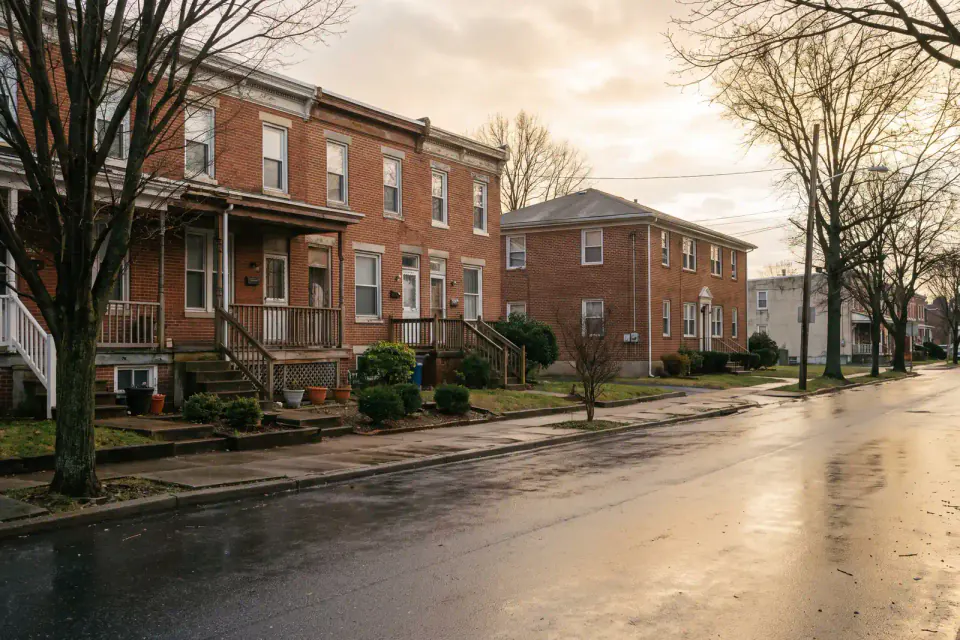
Wilmington is described in the city dataset as Delaware's largest city, with dense older rowhouses and small multifamily properties. Attached buildings and multi-unit occupancy make access and condition especially address-specific. An owner should identify which spaces can be inspected, whether utilities serve separate units, what belongings remain, and which occupancy facts are documented before comparing a renovation plan with a direct sale.
The Wilmington issue list calls out aging urban housing and lead paint, Christina River flooding, and tenant-occupied sales. Those are distinct subjects, and the city record does not claim that each applies to every home. Sellers should provide actual inspection reports, flood documents, leases, notices, and repair records in their possession, then avoid presenting a neighborhood-wide concern as a parcel-level finding.
Inherited, landlord-owned, and vacant properties form Wilmington's three emphasized seller situations. The practical file may involve estate authority, leases and deposits, or a plan for securing an empty building. Delaware law also makes deed recording and recorded liens part of the transfer landscape, so the closing professional should check the chain of title and obtain current figures for claims that affect the property.